


First Time to Paris: A travel guide for tips to know
Paris has a way of capturing the imagination long before your first trip ever begins. It’s the City of Light, the French capital, and one of the most visited cities in the world; yet nothing truly prepares you for how it feels to experience Paris for the very first time.
If this is your first time to Paris, it’s completely normal to feel excited, overwhelmed, and unsure all at once. From navigating the metro network to understanding French culture, planning your travel dates, and deciding how to spend your limited time, Paris can feel overwhelming, especially for first-time visitors.
This travel guide is designed to walk you through everything you need to know before you go, combining practical advice with personal insight so you can enjoy Paris with confidence, ease, and curiosity.
Why Paris Is One of the Most Visited Cities in the World
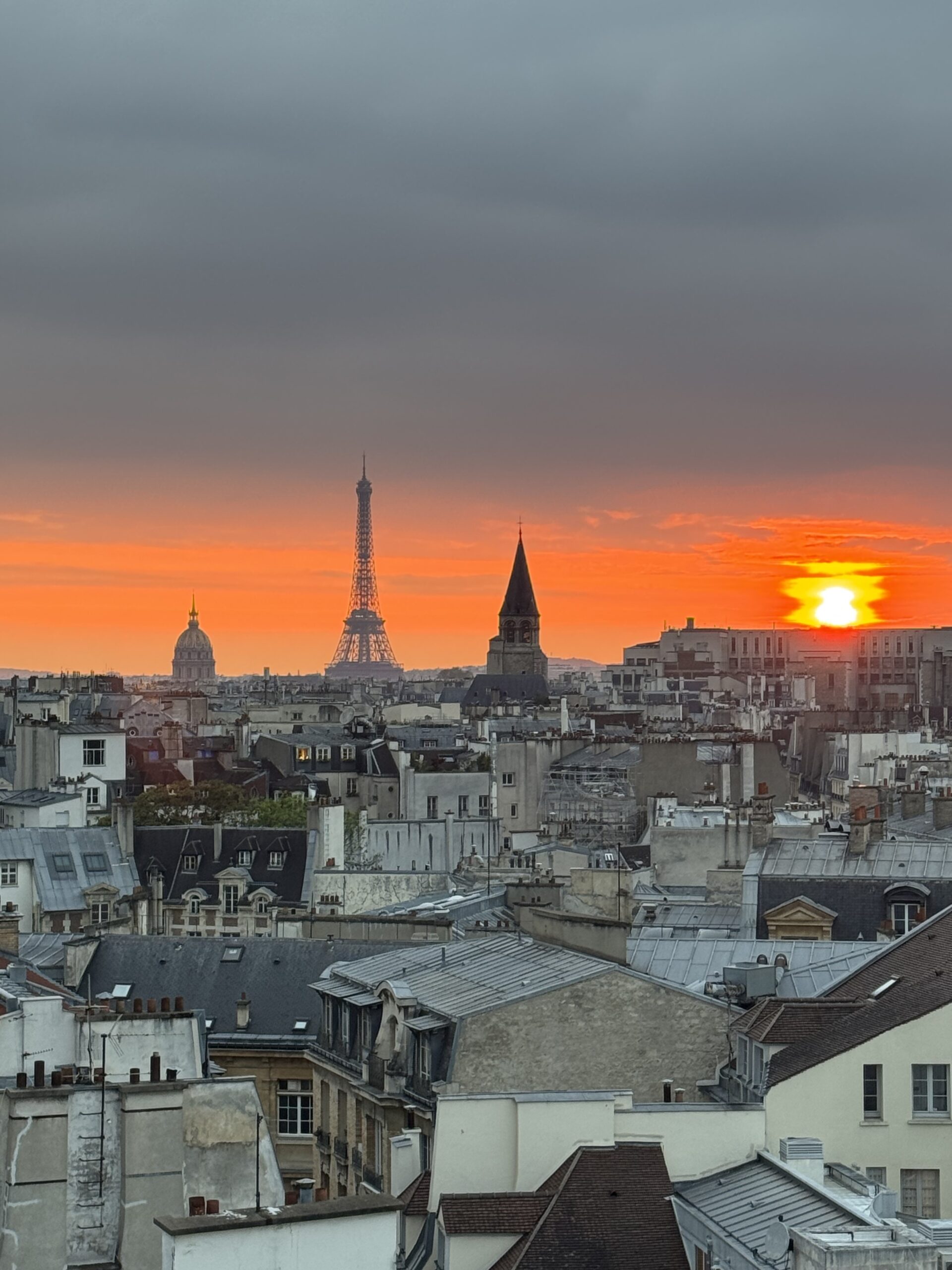
Paris is more than a destination; it’s an experience layered with history, beauty, and daily life unfolding all at once.
The City of Light and Its Global Appeal
Often referred to as the City of Light, Paris earned its nickname both for its role in the Age of Enlightenment and for being one of the first cities in Europe to install street lighting. Today, the glow feels symbolic: Paris draws people in with its art, architecture, and atmosphere.
From the Eiffel Tower views at sunset to a leisurely stroll along the River Seine, Paris offers countless unforgettable moments, especially on your first day.
The Heart of French Culture
Paris sits at the heart of France and French identity. Museums, cafés, markets, and neighborhoods reflect centuries of tradition mixed with modern life. Unlike some tourist destinations, Paris is a big city where real people live, work, commute, and gather, and that’s part of its charm.
Is Paris Right for Your First Trip to Europe?
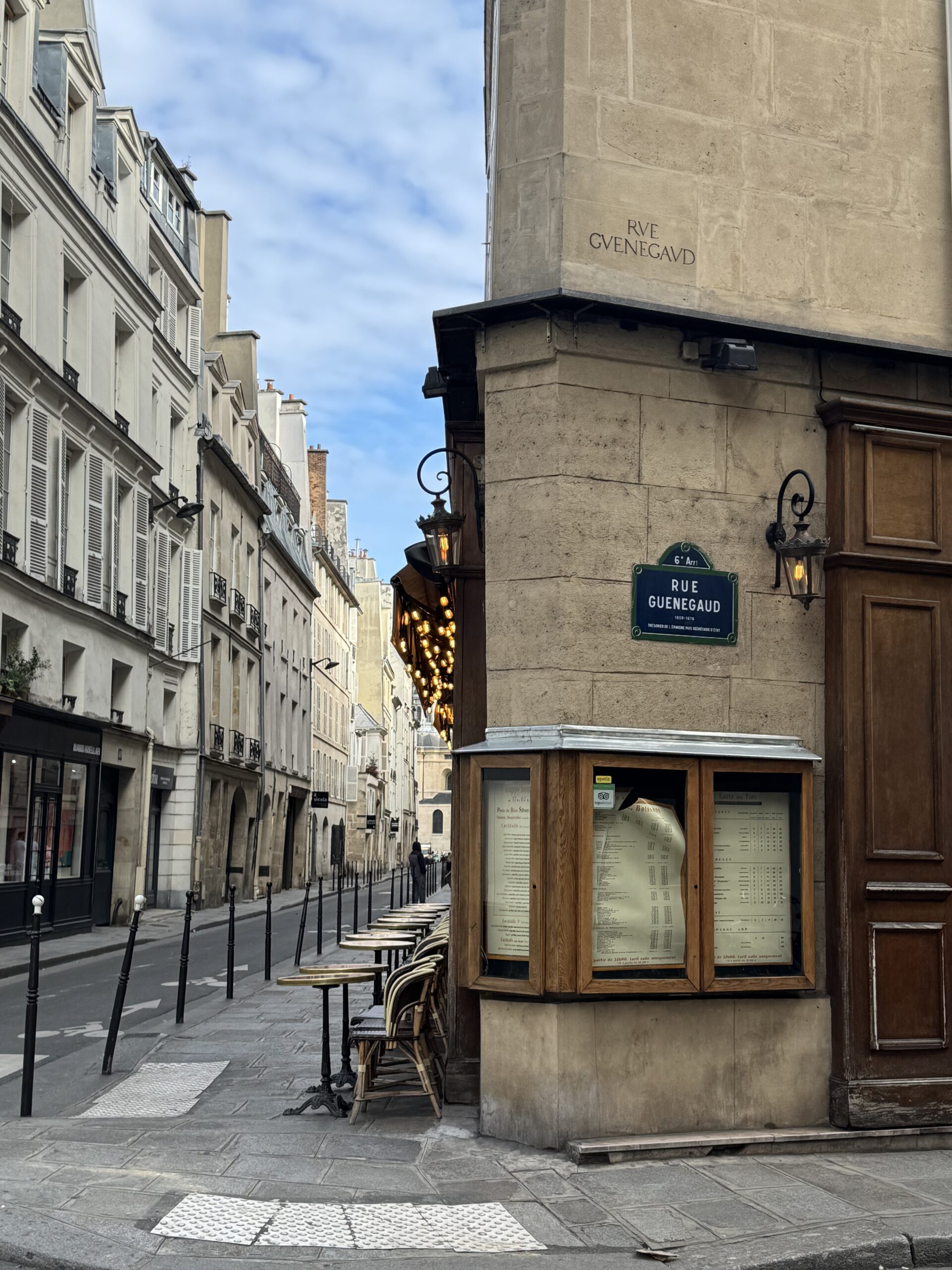
For travelers coming from North America, Paris is often the best option for a first European experience.
What First-Time Visitors Should Know
Paris is well-connected, walkable, and offers excellent public transportation. English is widely understood in tourist areas, and essential services are easy to navigate, even if you don’t speak many French words. These days, most Parisians speak some English, but it’s still polite to know basic French terms.
Paris vs Other European Countries
Compared to visiting multiple European countries in one trip, Paris allows you to settle into one place without constantly packing, unpacking, and moving. For a first-time visitor experience, this slower pace is often beneficial.
The Best Time to Visit Paris for Your First Trip
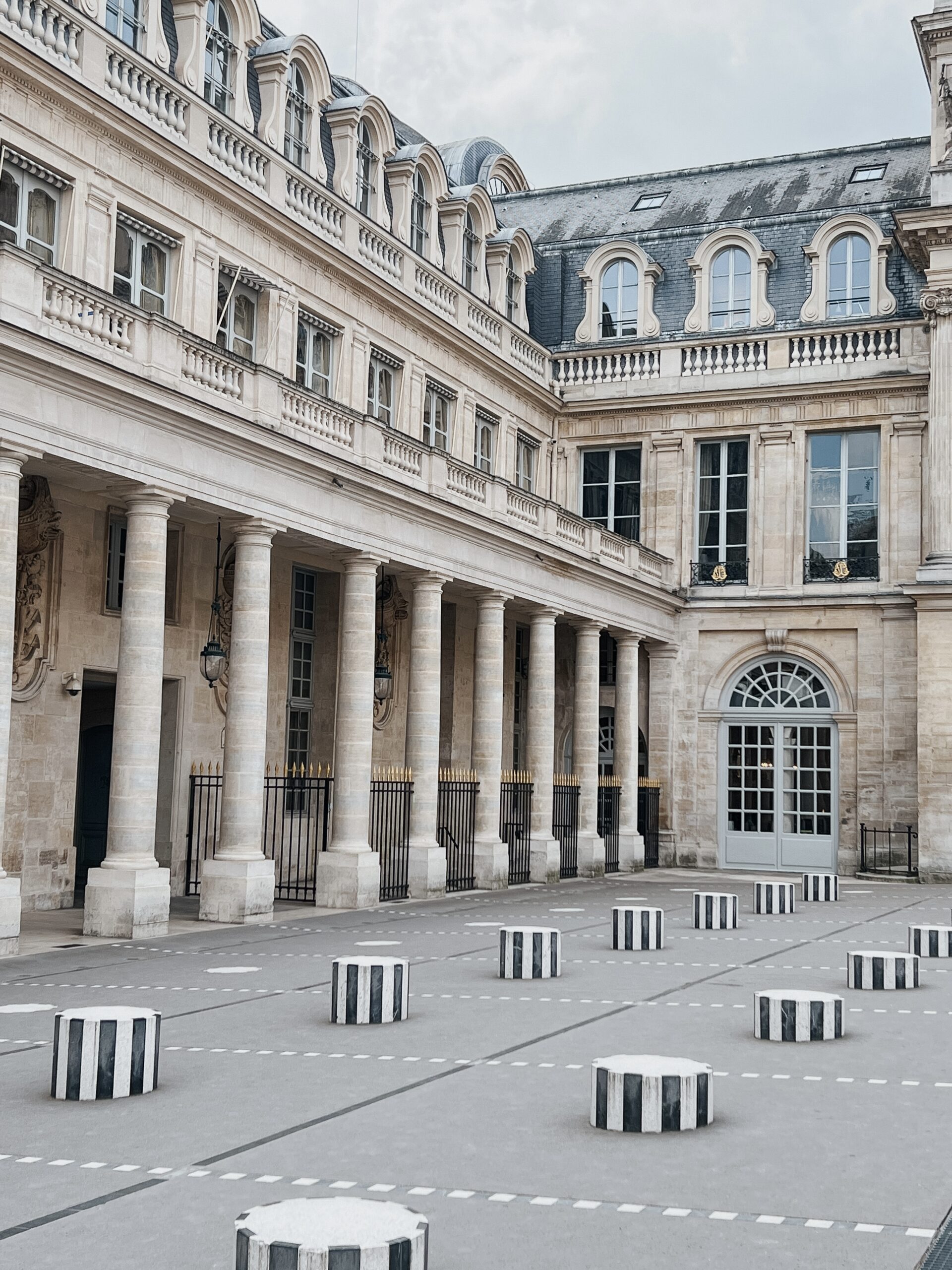
Choosing the best time to visit Paris depends on what you want to experience.
Spring and Summer Months
The summer months (June through August) are lively and full of energy. Days are long, cafés spill onto sidewalks, and the city feels alive. However, it’s also peak season, with a lot of people and higher prices.
By the end of July, the locals have emptied out of the city to head south for their vacations. Some smaller stores and even boulangeries will be closed for part of August. This is important to keep in mind because if you are looking for Parisians during August, it will be hard to spot them. Most of the city is full of tourists at this time.
Fall and Winter: Fewer Crowds
Spring and fall often offer the best solution for first-time or even solo travelers: pleasant weather, fewer crowds, lower costs, and a more relaxed experience. Winter is quieter and romantic, but requires flexibility with the weather.
How Many Days Do You Need in Paris?
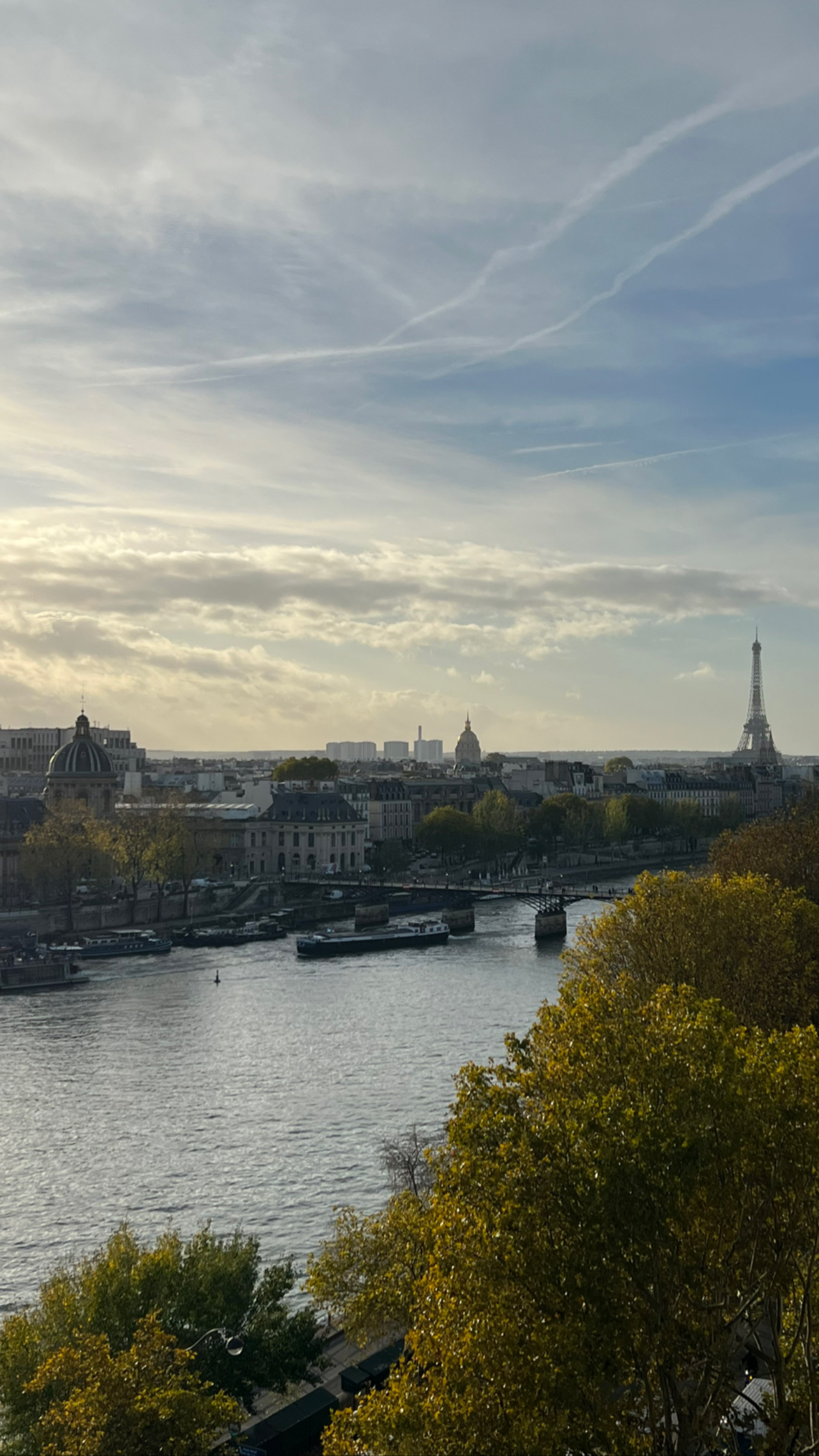
A common question for first-time visitors is how much time to spend in Paris.
Limited Time vs a Lot of Time
If you only have limited time, try to aim for at least four full days. If you have a lot of time, Paris easily warrants a week or more.
Planning a Full Day vs a Leisurely Pace
Trying to do too much in one full day can feel like a long way from enjoyable. Paris is best experienced at a comfortable pace, allowing room for wandering and discovery.
Arriving in Paris: Airports, Train Stations, and First Things to Do
Landing at Charles de Gaulle Airport
Most international travelers arrive at Charles de Gaulle Airport. From here, you can take a taxi, the RER, or a private transfer to central Paris.
Navigating the Train Station and City Center
If you arrive by train, major hubs like Gare du Nord connect Paris to cities across Europe. When you arrive at the train station, expect crowds, signage, and movement; it’s all part of entering a major city center.
The train system throughout Paris and France is easy to use and is a great way to explore other parts of the country, if you have time.
Getting Around Paris: Public Transportation, Walking, and More
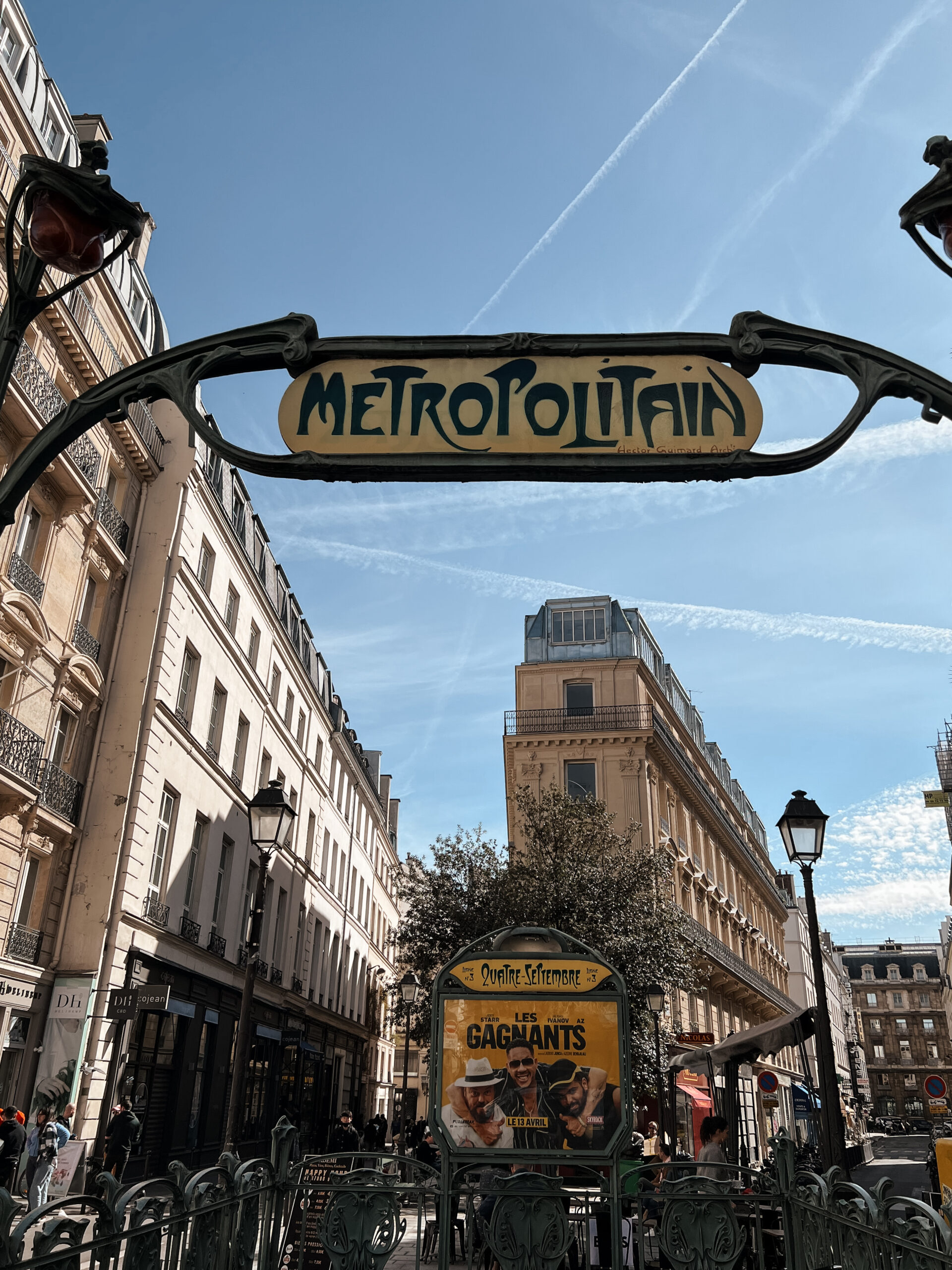
Understanding Public Transportation
The public transportation system in Paris is world-class. The metro network is the best solution for covering long distances quickly. Every metro station is unique, and you will never be more than a few minutes’ walk from one in the city center.
Top Tip: Do not buy individual tickets every time, if you plan on using the metro as your main transportation. The best way to save money is to get a reloadable Navigo Easy card. You can also download the CityMapper App to help discover which is the easiest and quickest way to arrive at your destination.
Using Google Maps and Technology
Make sure to use Google Maps if you’re walking in the city. It is the best way to find the right train station and avoid a traffic jam above ground. For communication, Google Translate is essential for translating menus or grocery stores labels, and even menus.
Walking: The Heart of the Experience
While the metro is great, Paris is a very walkable city. A leisurely stroll through the Latin Quarter or Le Marais will reveal hidden gems you’d miss underground. Many walking tours are also available to help you find the heart of Paris.
Walking is my favorite way to explore the city. You never know what you will find when you head out for a day of walking in the city.
Paris is a big city, but it is surprisingly easy to navigate once you understand the layout of the different neighborhoods (arrondissements).
Where to Stay in Paris for the First Time: A Strategic Guide
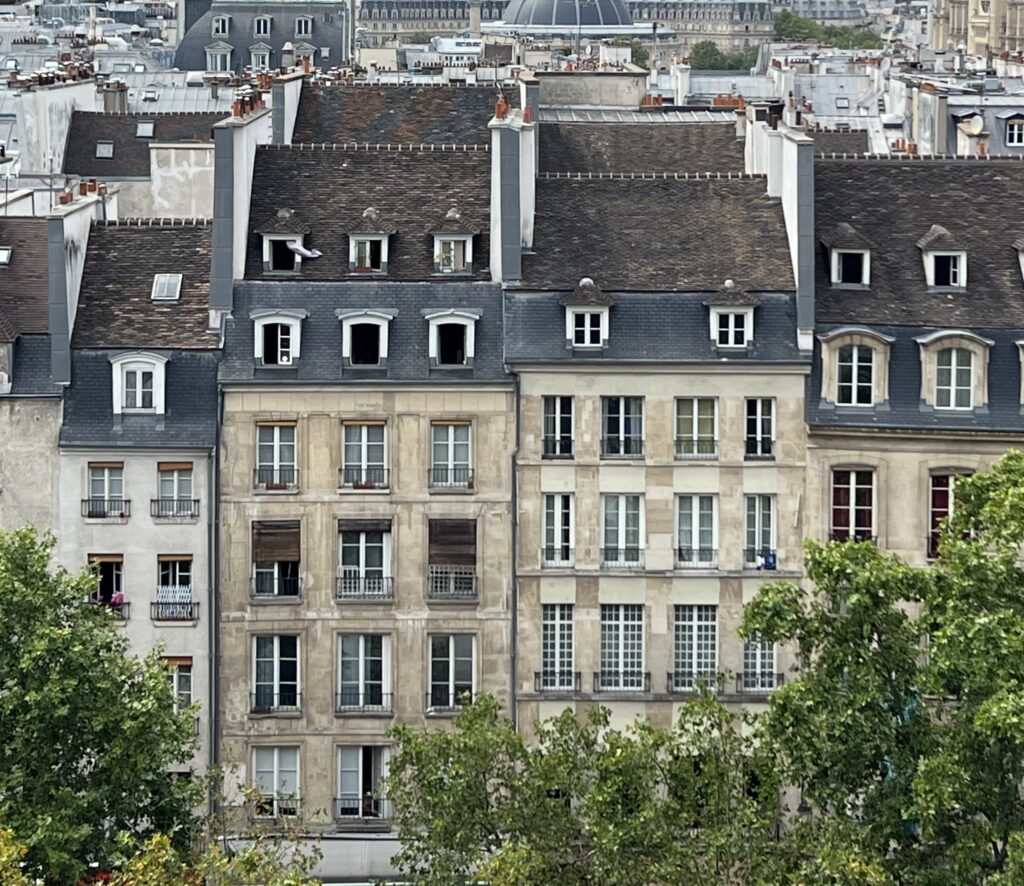
Choosing your base in the French capital is perhaps the most significant decision you will make in your travel plans. Your choice of arrondissement will determine your morning view, your proximity to a metro station, and how much of a traffic jam you have to navigate to see the Eiffel Tower. For first-time visitors, the goal is to balance convenience with an authentic personal experience.
Central Paris vs. Outer Arrondissements
The debate between staying in central Paris versus the outer districts (12-20) usually comes down to two factors: limited time and budget.
- The Case for Central Paris: If this is your first trip, staying in the heart of Paris, such as Hôtel Mansart, is the best way to maximize your sightseeing. You can walk to the Louvre Museum, cross the River Seine on foot, and find yourself in the Latin Quarter within minutes. For those with significant time constraints, being centrally located means you aren’t spending two hours a day on public transportation.
- The Case for the Outer Arrondissements: Neighborhoods like the 11th or the 15th offer a look at how French people actually live. Here, you’ll find fewer crowds, more local grocery stores, and a lower price range for everything from coffee to hotel rooms. However, you must be comfortable using the metro network multiple times a day.
Top Tip: If you choose an outer district, ensure your accommodation is within a quick walk of a major train station or a well-connected metro station like Bastille or République. This ensures you can reach central Paris in under 20 minutes.
Le Marais (3rd and 4th Arrondissements)
Le Marais is frequently cited as the best option for first-time visitors. It represents the heart of Paris with its narrow medieval streets and historic architecture.
- Why stay here: It is incredibly central and walkable. You are a quick walk from Notre Dame and the River Seine.
- The Vibe: It is a trendy mix of the Jewish Quarter, fashion boutiques, and art galleries. You will find a popular restaurant on almost every corner.
- Pro Tip: Stay near the Saint-Paul metro station to have easy access to Line 1, which cuts straight through central Paris.
Saint-Germain-des-Prés (6th Arrondissement)
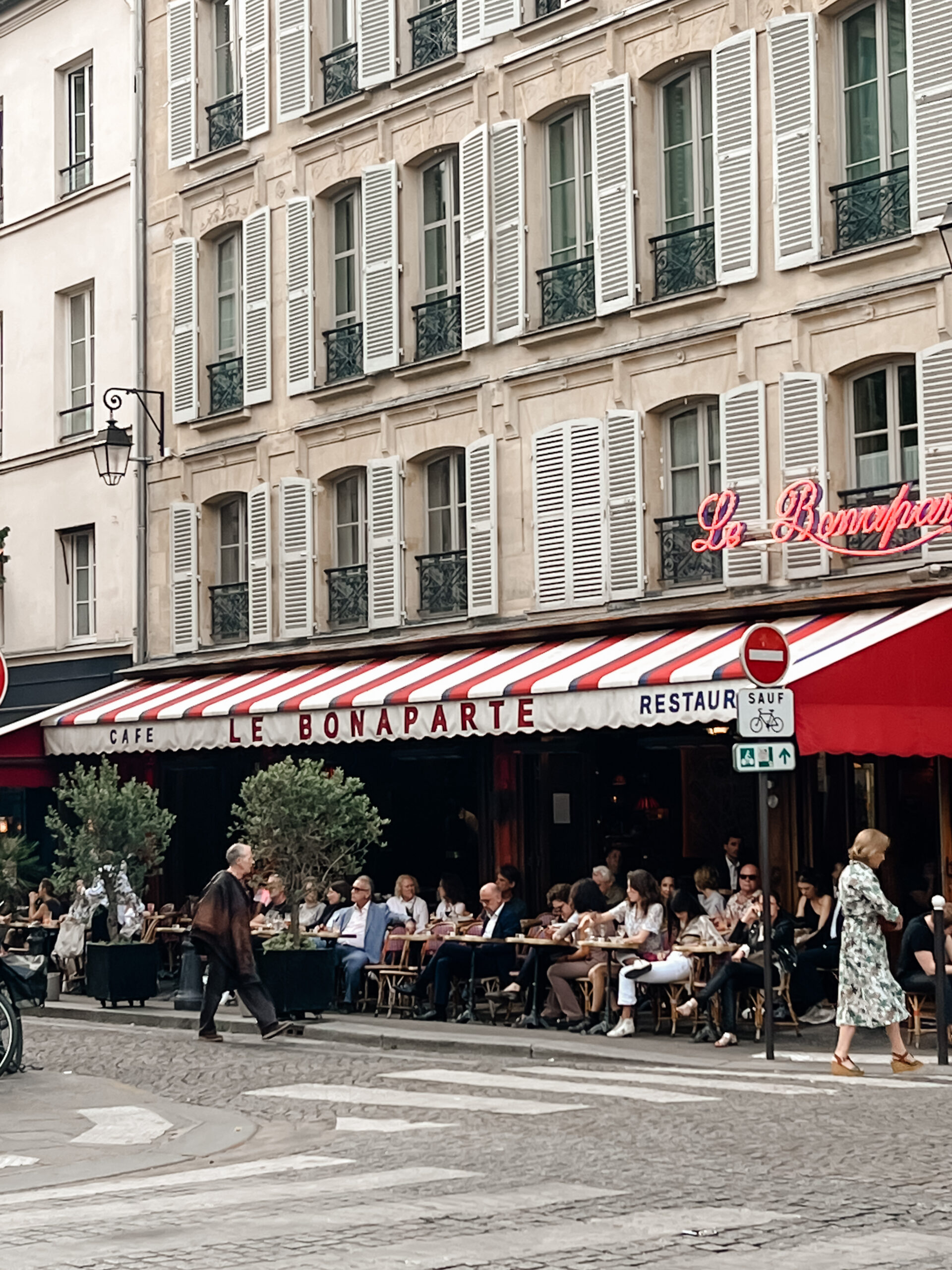
If you are looking for that quintessential, romantic Paris you’ve seen in movies, this is it. Located on the Left Bank, Saint-Germain-des-Prés, this area was once the haunt of Hemingway and Sartre.
- Why stay here: It is one of the best places for families and couples. It is quieter than the 1st arrondissement but still incredibly upscale.
- The Vibe: Think chic cafes like Les Deux Magots and the beautiful Jardin du Luxembourg.
- Personal Experience: Walking through Saint-Germain at night is a personal favorite; the streets feel safe, and the Eiffel Tower views from nearby bridges are breathtaking.
The Latin Quarter (5th Arrondissement)
For those on a budget, the Latin Quarter is a good option. Home to the Sorbonne University, it has a youthful energy and plenty of “cheap eats.”
- Why stay here: You are in the city center without the 5-star price tag of the Right Bank.
- The Vibe: Scholarly, vibrant, and historic. It is home to the Pantheon and many legendary bookstores.
- Bonus Tip: Head to Rue Mouffetard for some of the best grocery stores and market stalls in the city.
The 1st Arrondissement (The Louvre Area)
If you want to be in the absolute center of the action, look for hotel rooms in the 1st.
- Why stay here: You are literally steps away from the Louvre Museum, Jardin des Tuileries, and the Palais Royal.
- The Vibe: Very “Grand Paris.” It is busy and can be expensive, but for a first-time visitor with limited time, the convenience is unbeatable.
Navigating the Neighborhoods: Tips for Success
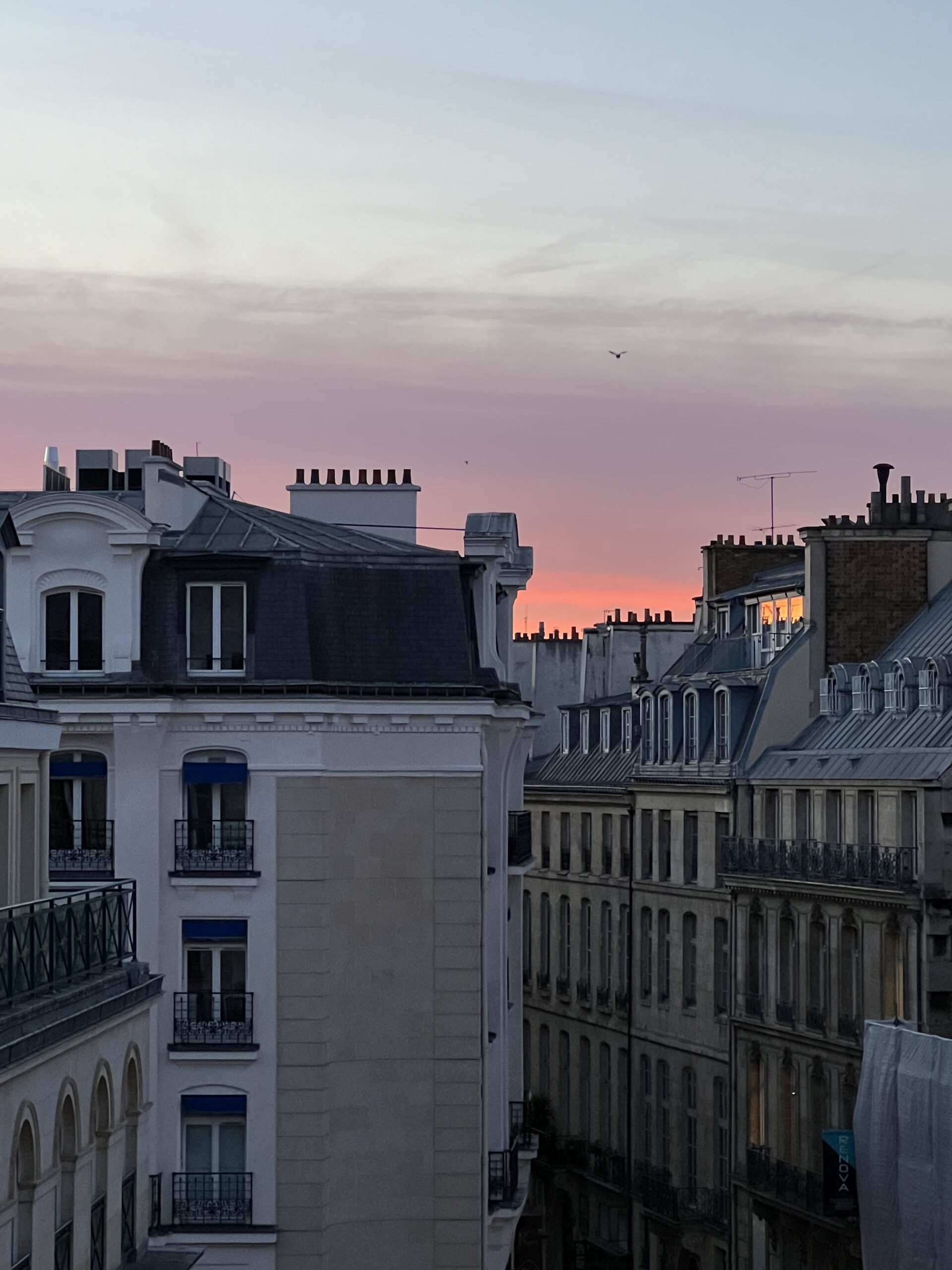
Regardless of where you stay, you’ll likely travel between these different neighborhoods frequently.
Avoiding the “Easy Target” Status
When you are moving between tourist areas like the Eiffel Tower and Montmartre, remember that pickpockets look for people who are distracted. Whether you are at a crowded train station like Gare du Nord or a busy metro station, keep your credit cards and phone secure.
Using a crossbody bag is always a best solution for women and men should never keep their wallet in their back pocket. Overall, Paris is a relatively safe city, but it’s best to be prepared.
Dealing with the Rush Hour
Paris is a big city, and rush hour (roughly 8:00 AM to 10:00 AM and 5:00 PM to 7:00 PM) can make the metro feel like a sardine can. If you can, plan a leisurely stroll during these times instead. A walk along the River Seine is a much better experience than being stuck in a crowded metro.
Language and Culture in Your Neighborhood
When you step out of your hotel each morning, a simple “Bonjour” to the person at the front desk or the baker at the boulangerie goes a long way. Even if you don’t know many French words, showing effort is part of the French culture. Most French people will appreciate your attempt to use basic phrases.
Hotel vs. Apartment: Which is the Best Way to Experience Paris?
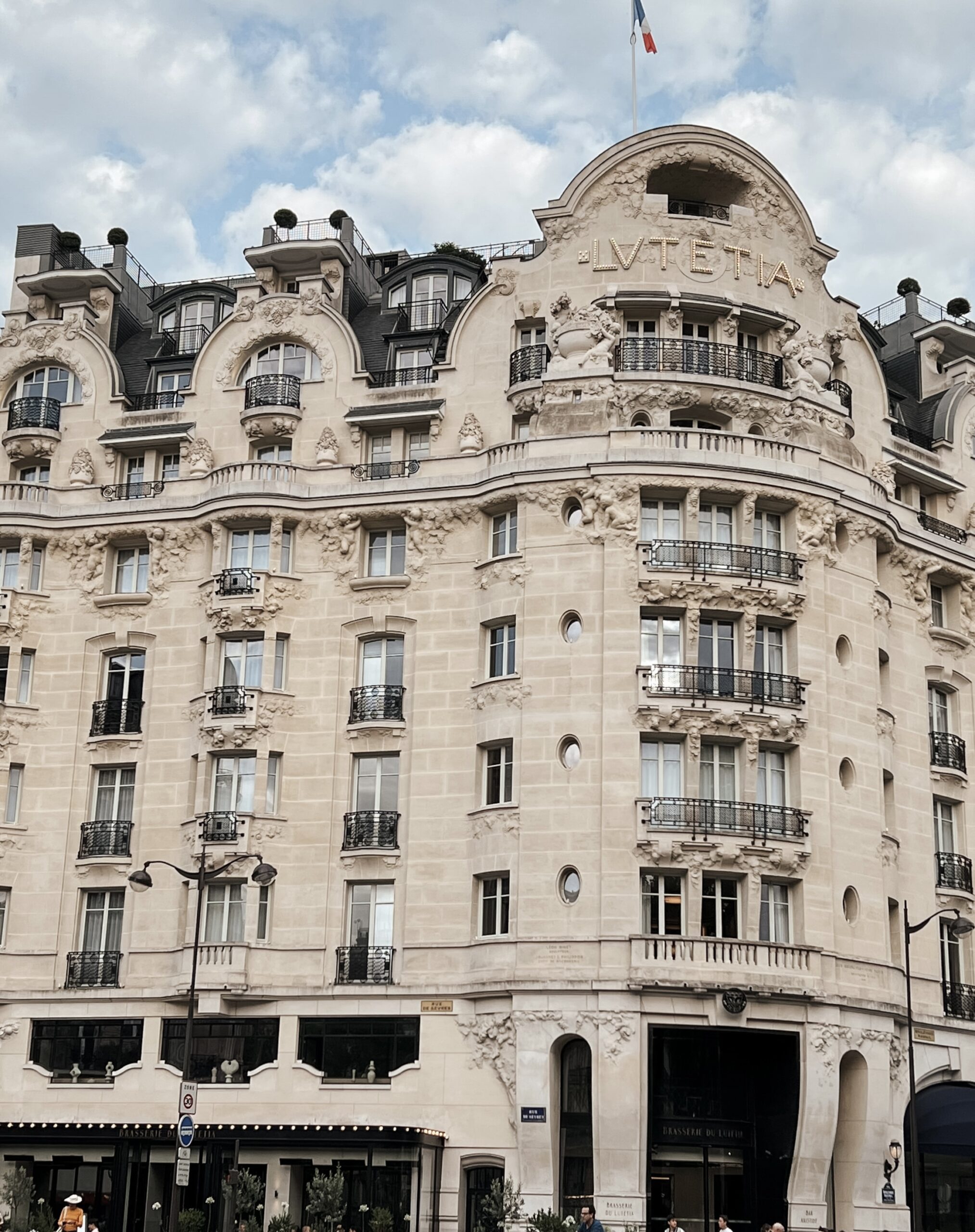
When planning your travel plans, one of the first things you will need to decide is what kind of “home base” you want. Paris has a diverse price range for both hotel rooms and short-term rentals, but the experience of staying in each is vastly different.
The Benefits of Staying in a Hotel
For many first-time visitors, a hotel is the best option. Paris is a big city, and having a professional staff to help you navigate it can make a long way toward a stress-free vacation.
- Service and Security: Most hotels offer 24-hour reception. If you arrive at Charles de Gaulle early in the morning, you can drop your bags and head out for a quick walk while your room is prepared.
- Location: You can find hotels right in the heart of Paris, often with incredible Eiffel Tower views or overlooking a bustling metro station.
- The Comfort Factor: After a full day of walking through the Louvre Museum or the Palace of Versailles, there is nothing like coming back to a clean room with fresh linens.
- Avoid the “Paris Syndrome”: Staying in a high-quality hotel helps mitigate any culture shock, providing a familiar environment that feels a bit more like North America or other European countries.
The Allure of a Parisian Apartment
If you want to feel less like a tourist and more like a local, renting an apartment in a neighborhood like Le Marais or the Latin Quarter is a good idea.
- Living Like a Local: Staying in an apartment allows you to visit local grocery stores and boulangeries. You can learn basic phrases like “Je voudrais une baguette” while interacting with your neighbors.
- Space and Kitchens: If you have a lot of people in your group, an apartment is often the best solution. Having a kitchen means you can enjoy a bottle of wine from the Champagne region with some local cheese without the high markup of a popular restaurant.
- Different Neighborhoods: Apartments allow you to stay in residential pockets of the city center, where there are fewer crowds and more authentic French culture.
Key Differences to Consider
| Feature | Hotel Rooms | Parisian Apartment |
| Check-in | Flexible and easy at the front desk. | Often requires a specific meeting time. |
| Breakfast | Usually available on-site. | You’ll need to hit the grocery stores. |
| Price Range | Higher for central Paris locations. | Can be more budget-friendly for a limited time. |
| Interaction | Professional service in English. | More immersion with French people. |
Navigating Your Stay: Tips to Know
Regardless of your choice, there are a few top tips to keep in mind regarding Parisian housing.
The “Tiny” Reality
Whether it’s a hotel or an apartment, rooms in the French capital are notoriously small. Do not be surprised if your “luxury” room is smaller than what you are used to in North America. This is just part of the charm of living in such a historic city center.
The Lift (Or Lack Thereof)
Many historic buildings in the Latin Quarter or the Left Bank do not have elevators. If you are staying in an apartment on the 5th floor, it’s a good thing to check if there is a “lift.” Carrying heavy luggage up spiral stairs after a long flight into Charles de Gaulle is not the best way to start your first trip.
Proximity to Public Transportation
Always check the distance to the nearest metro station or train station. You want your morning commute to be a quick walk, not a marathon. Being near a major metro network hub makes it much easier to reach tourist attractions like the Arc de Triomphe or Disneyland Paris.
Safety and “Easy Targets”
While apartments offer more privacy, hotels often offer more security. If you choose an apartment, ensure the building has a secure entry code. First-time visitors can sometimes be an easy target if they are seen fumbling with keys and heavy luggage in high-traffic tourist areas.
Top Things to Do on Your First Visit to Paris
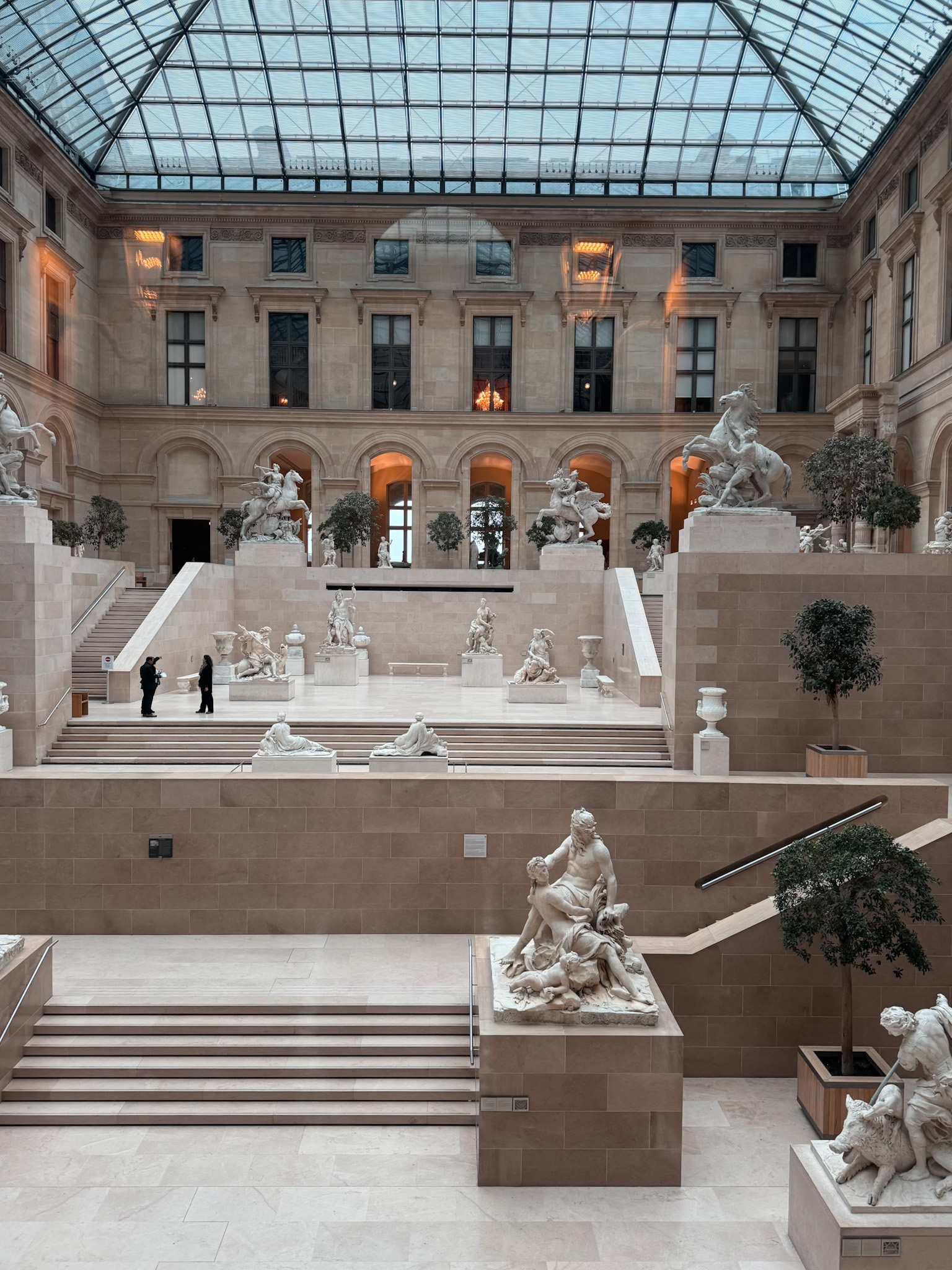
You probably have a list of top things you want to see during your first time to Paris, but if you have limited time, you have to prioritize. You can purchase the Paris Pass if you plan on visiting many tourist attractions.
The Louvre Museum and the Mona Lisa
The Louvre Museum is massive. You could spend a lot of time here and still not see everything. If you are on a full-day schedule, head straight for the Mona Lisa, but don’t ignore the Winged Victory or the Venus de Milo.
For the best experience, purchase your tickets online in advance, and note that the Louvre is closed on Tuesday.
Musée d’Orsay: A Personal Favorite
Located in a former train station on the Left Bank, the Musée d’Orsay is my personal favorite. It houses the world’s largest collection of impressionist masterpieces. It is often less crowded than the Louvre and offers a more intimate art experience.
The museum offers late-night entry on Thursdays, allowing you to stay until 9:45.
Notre Dame and the Latin Quarter
Notre Dame is now open to visitors after years of being closed due to renovations. Entry is always free, and you can reserve a time online for guaranteed access. Afterward, take a quick walk to the Latin Quarter, known for its student vibe, bookstores, and the Pantheon.
Eiffel Tower Views and the River Seine
No first visit is complete without seeing the Iron Lady. For the best Eiffel Tower views, head to the Trocadéro at sunrise. Later, a Seine River cruise is the perfect way to see the city’s landmarks illuminated at night.
Exploring by Arrondissement: What to Do in Each “Village”
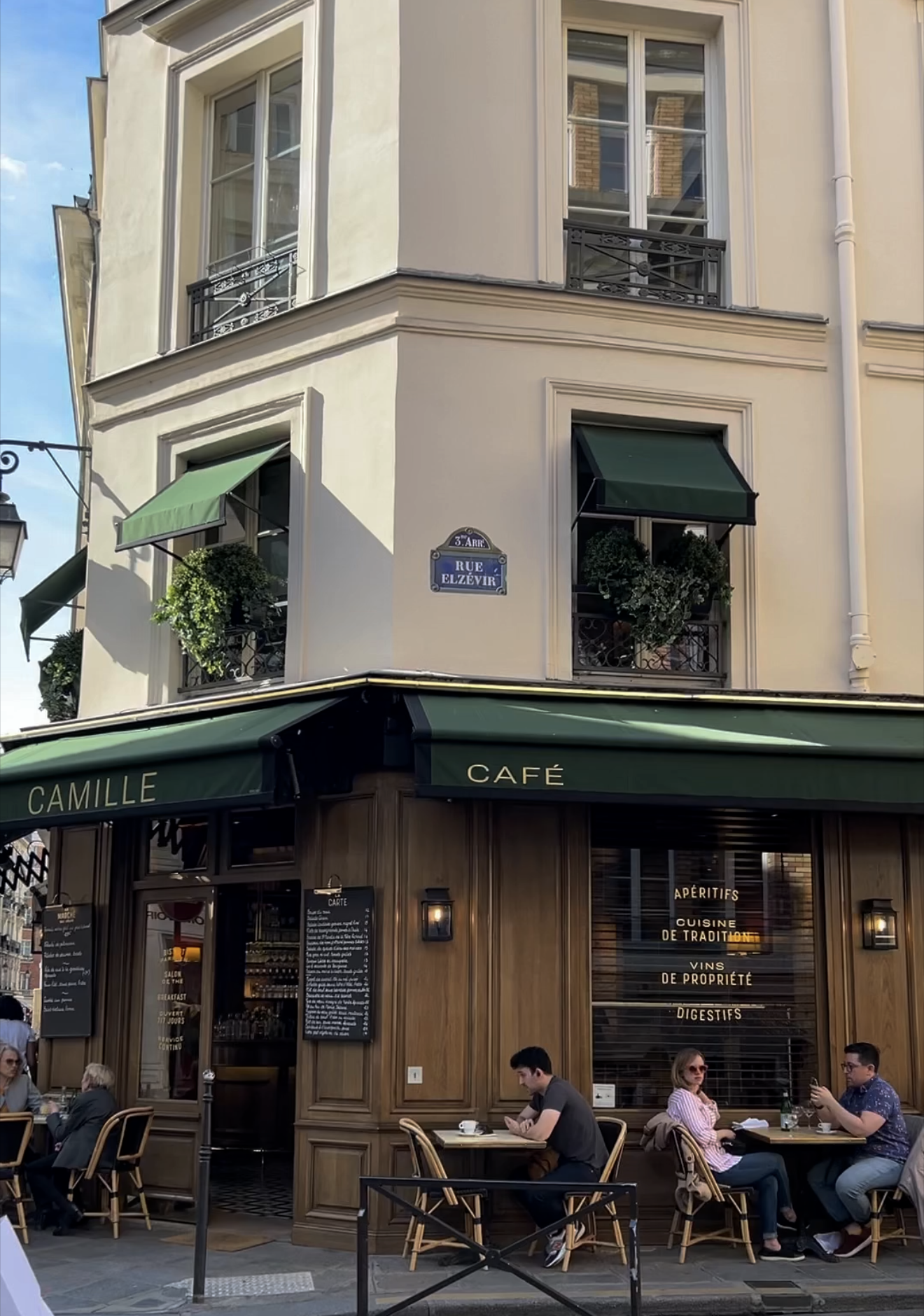
Paris is a big city composed of 20 unique districts. If it’s your first time to Paris, focusing on these core areas is the best way to manage limited time while ensuring you see the top things on your list.
The 1st Arrondissement: The Royal Heart
This is where the history of the city center begins. It is home to the most iconic tourist attractions in the world.
- The Louvre Museum: No first trip is complete without seeing the Mona Lisa. However, don’t spend too much time in one wing. The best way to see the Louvre is to pick three major artworks and then wander the Egyptian or Greek antiquities.
- Jardin des Tuileries: After the museum, take a leisurely stroll through these perfectly manicured gardens. It is a good idea to grab a chair by the fountain and just watch the world go by.
- Sainte-Chapelle: Located on the Île de la Cité, this royal chapel features some of the most stunning stained glass in Europe.
The 3rd and 4th: Le Marais
Le Marais is the best places for those who love history mixed with modern fashion.
- Place des Vosges: The oldest planned square in Paris. It is a personal favorite in the area to sit on one of the benches and enjoy the afternoon.
- Jewish Quarter: Walk down Rue des Rosiers for a famous falafel. It is a good thing to experience the diverse culinary history of this area.
- Centre Pompidou: For fans of modern art, this high-tech building is a must. The escalator on the outside offers great views of central Paris. The Pompidou is currently closed for renovations.
The 5th: The Latin Quarter
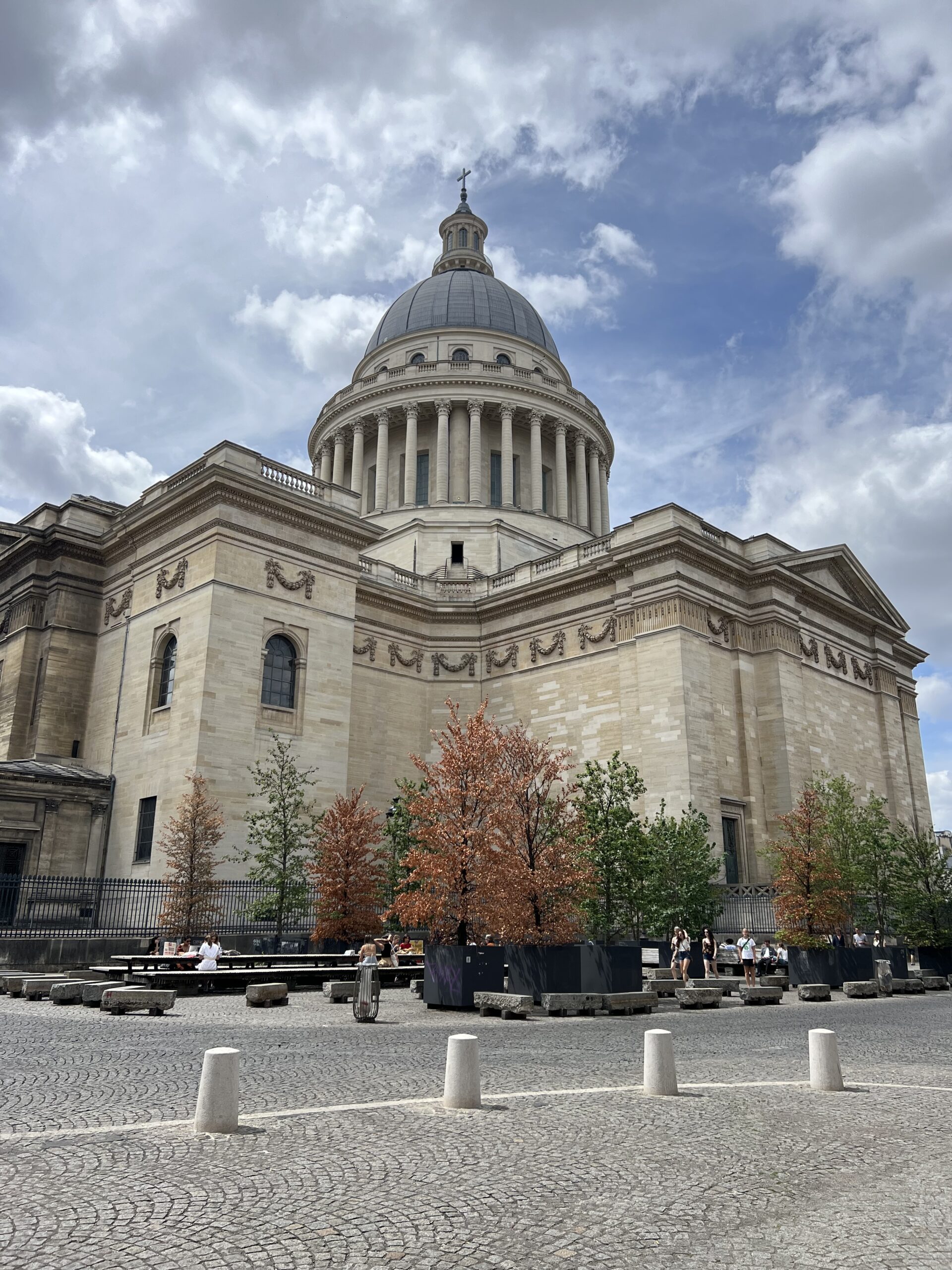
As the historic student hub, the Latin Quarter offers a more bohemian personal experience.
- The Pantheon: Pay your respects to French people who changed history, like Victor Hugo and Marie Curie.
- Shakespeare and Company: This legendary English-language bookstore is a staple for any travel guide. It is right across from Notre Dame, making it a perfect stop after seeing the cathedral.
- Jardin des Plantes: A massive botanical garden that includes a small zoo and a natural history museum—perfect if you have a lot of time.
The 6th: Saint-Germain-des-Prés
This is the epitome of the City of Light’s literary and chic side.
- Jardin du Luxembourg: One of the best things to do for free is to enjoy these gardens. You’ll see locals playing chess or children sailing boats in the pond.
- Café de Flore and Les Deux Magots: These are the most visited cafés in the city, and both are iconic for a reason. Be prepared to wait in line, especially during the busy seasons.
The 7th: The Eiffel Tower and Museums
This arrondissement is dominated by grand monuments and world-class art.
- The Eiffel Tower: The best option is to visit at sunset in my opinion. You can see the Eiffel Tower views from the Champ de Mars or take the elevator to the top.
- Rodin Museum: The sculpture gardens here are beautiful and offer a quieter alternative to the busier tourist areas.
- Rue Cler: Famous street for specialty food shops, being pedestrian-friendly, and where the locals buy their fresh flowers, cheese, and more.
Day Trips: Beyond the City Center
If you have a full day to spare, leaving the city center can be very rewarding.
- Palace of Versailles: A short train ride away, this is the epitome of French royal history.
- Disneyland Paris: A great choice for families or those who want a break from museums.
- Champagne Region: Perfect for those who want to see where the world’s most famous bubbly is made.
Food, Drink, and French Culture: The Art of Living
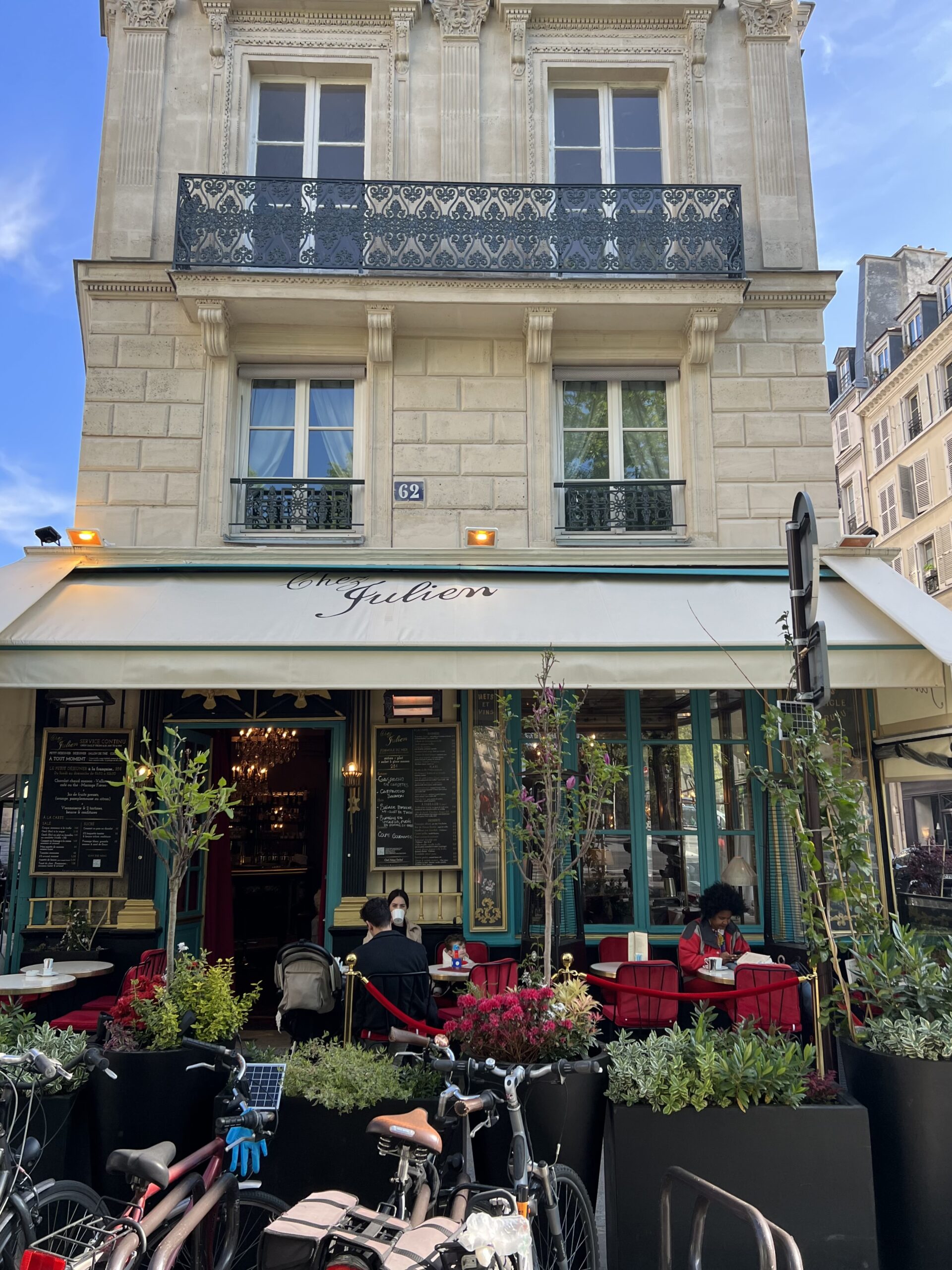
For those on their first trip, it quickly becomes clear that eating is not just a necessity in Paris—it is a national sport. Understanding French culture through its culinary traditions is perhaps the most rewarding part of any travel plans. From the buttery flake of a 7:00 AM croissant to the late-night clinking of wine glasses in the Latin Quarter, food is the heartbeat of the City of Light.
To truly enjoy your personal experience, you must abandon the “fast food” mindset common in North America. In Paris, a meal is an event, a leisurely stroll for the palate that shouldn’t be rushed.
Dining at a Popular Restaurant: Etiquette and Expectations
Paris is home to thousands of eateries, ranging from a popular restaurant with three Michelin stars to a humble corner bistro. However, dining here requires some strategy and etiquette.
- The Importance of Reservations: It is a good idea to make reservations at least two to three weeks in advance for dinner if possible, especially at popular dining spot. During the summer months, spots can fill up weeks in advance. Use apps like TheFork or have your hotel concierge call for you.
- The “Menu” vs. “La Carte”: In many best places, you will see a “Menu” or “Formule.” This is a fixed-price set of two or three courses. It is often the best solution for getting high-quality food at a reasonable price range, especially during lunch.
- Water and Bread: You do not need to pay for bottled water. Ask for “une carafe d’eau” (a jug of tap water). Also, bread is brought with every meal. One thing to note is that butter is not usually served with bread in most restaurants.
Parisian Wine Culture
Wine tasting in Paris isn’t just for experts. Consider booking a dedicated wine tasting session in a vaulted cellar to learn the difference between a Bordeaux and a Burgundy. You will discover how the chalky soil of the Champagne region creates the world’s most famous bubbles, or how the Loire Valley produces crisp whites that are perfect for a summer months afternoon.
Mastering Basic Phrases: Your Secret Weapon
While it is true that many French people in tourist areas speak excellent English, leading with English can sometimes result in a cool reception. Learning a few basic phrases and French words goes a long way in opening doors—literally and figuratively.
- Bonjour: This is the most important word in France. You must say it when entering a shop, a restaurant, or even when boarding a bus. Failure to do so is considered quite rude.
- S’il vous plaît: (Please) Always tack this onto the end of any request.
- Merci: (Thank you) A simple acknowledgment goes a long way.
- Au Revoir: (Goodbye) Always say this when leaving a boutique or café.
Using these French phrases shows a level of respect for the French culture that locals deeply appreciate. It signals that you are a guest who cares, rather than just another tourist in a big city.
Practical Tips and Safety
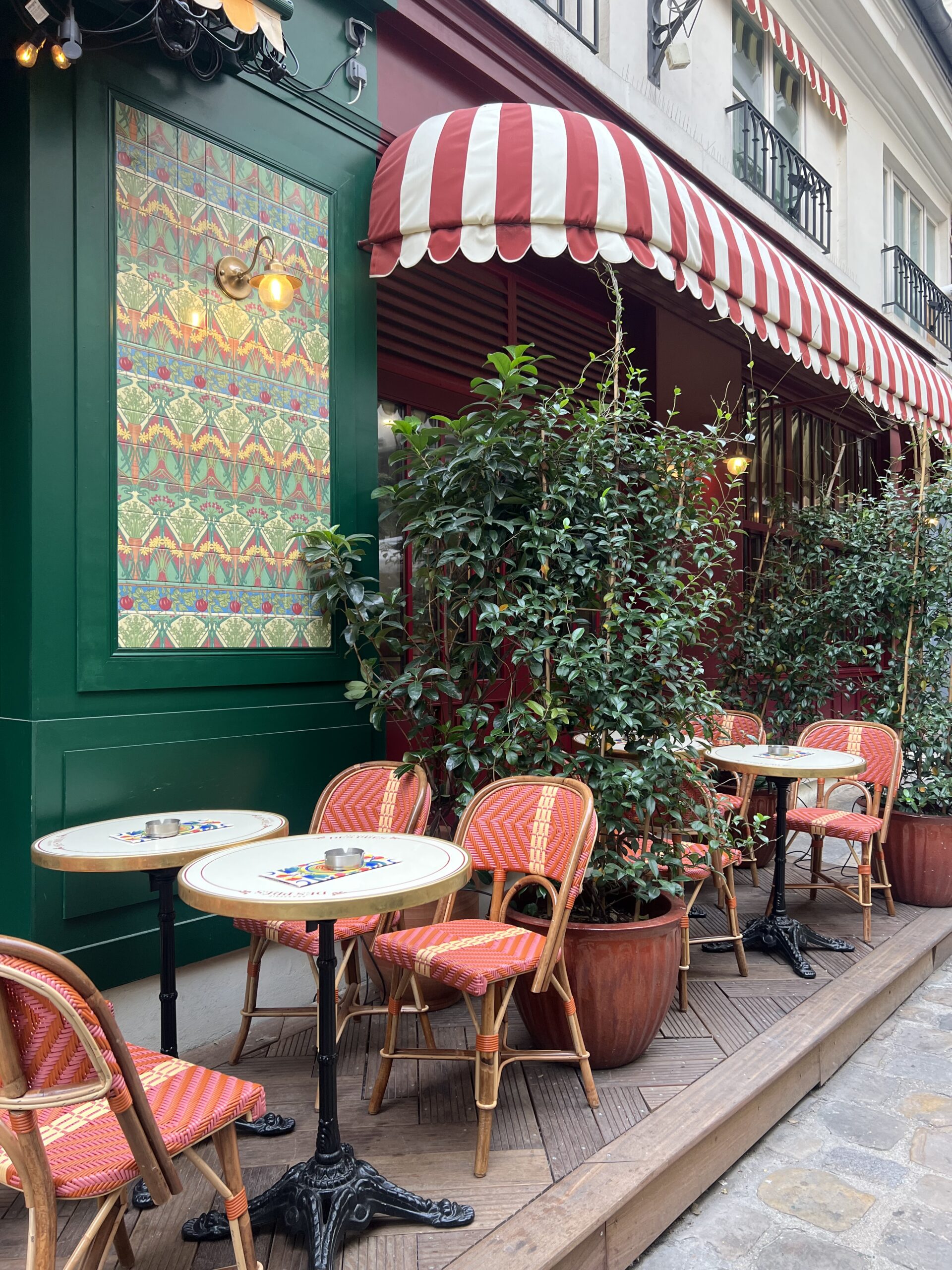
To avoid Paris Syndrome (the disappointment some feel when the city doesn’t match their romanticized expectations), you need to be practical.
Money and Credit Cards
Most places in Paris accept credit cards, but it’s a good thing to keep some cash for small purchases at grocery stores, boulangeries, and for a ticket machine.
Safety and Scams
Paris is generally safe, but like any big city, there are risks. First-time visitors are often an easy target for pickpockets in tourist areas or crowded metro stations. Keep your bag in front of you during rush hour. While the mention of a terror attack is scary, the city has high security, and you should feel safe as long as you stay vigilant.
My Personal Experience: What I Wish I Knew My First Time in Paris
My personal experience taught me that slowing down leads to the most meaningful moments. Some of my favorite things now include simple walks, cafés, and wandering without an agenda.
Bonus Tip
A bonus tip: build in time for doing nothing, as it’s often the best thing you’ll remember.
Making the Most of Your Paris Trip
Your first time in Paris may not be perfect, and that’s okay, because it will be magical no matter what. Think of it as the beginning of many return visits; Paris leaves a mark.
Plan thoughtfully, stay curious, and remember to say au revoir, not goodbye, because Paris has a way of calling you back.
If you’re interested in my personal Paris recommendations, download Your Essential Guide to Paris. A 117-page digital downloadable guide. Inside you’ll find where to stay, where to eat, where to shop, and MORE!


Read the Comments +